
Enlarged Prostate (BPH)প্রোস্টেট বড় হওয়া (BPH)
Benign prostatic hyperplasia (BPH) is non-cancerous enlargement of the prostate that can affect urinary flow and bladder emptying.
Urine Flow
Starting
Emptying
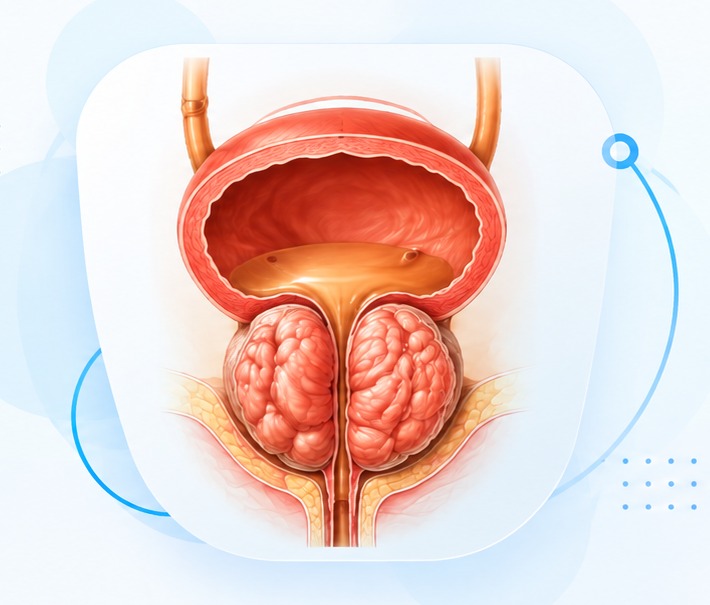
Common urinary symptoms
- Difficulty starting urination
- Weak or interrupted urine stream
- Dribbling at the end of urination
- Frequent or urgent urination
- Waking at night to urinate
- Feeling that the bladder does not empty fully
When symptoms need prompt assessment
Inability to urinate, blood in the urine, fever/chills with urinary symptoms, or significant lower abdominal/urinary pain should be assessed promptly.
Diagnosis
Assessment may include medical history, examination, urine testing and selected blood, imaging or urodynamic tests. The exact evaluation depends on symptoms and risk factors.
Treatment
Depending on symptom severity and impact, options can include watchful waiting, lifestyle measures, medicines, minimally invasive procedures or surgery. Treatment should be individualized.
Important distinction
Urinary symptoms are not automatically caused by BPH. Similar symptoms can occur with infections, bladder disorders, prostatitis and other prostate conditions, so proper evaluation matters.
Frequently Asked Questions
Does an enlarged prostate mean cancer?
BPH is a non-cancerous enlargement of the prostate. However, urinary symptoms can have several causes and should be evaluated appropriately.
When should urinary difficulty be checked?
Persistent weak flow, frequent nighttime urination, urgency, incomplete emptying or worsening symptoms are reasons to discuss the problem with a clinician.
Medical information sources
Need a urology consultation?
For persistent or concerning urinary, prostate, kidney, testicular or sexual-health symptoms, arrange an appropriate medical assessment.